
A safe routine should feel steady and controlled. If a movement feels rushed or unbalanced, choose a supported variation or reduce the range.
Helpful items
- Sturdy chair
- Water bottle
- Supportive shoes
Focus cues
- Slow breathing
- Soft knees
- Even footing
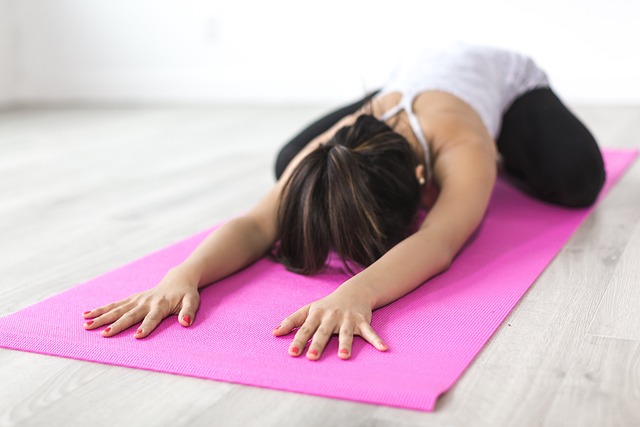
Images are illustrative. Exercise choices should match your comfort and stability.
Create a safe exercise environment
Many exercise risks can be reduced with a simple setup. Choose a well-lit space with a clear path for stepping and turning. Remove loose rugs or cords that could catch your feet. Keep a sturdy chair or counter within reach for balance practice and transitions such as standing up. If you are exercising at home, place items you need within arm’s reach so you do not have to bend or twist unexpectedly during a set.
Wear supportive footwear with a steady sole. If you prefer barefoot work for certain mobility exercises, avoid slippery flooring. Keep water nearby and plan breaks. A calm, organized space supports calm movement and helps you focus on form.
Lighting and visibility
Good lighting helps you place your feet accurately and notice obstacles early.
Clear space
Keep the floor clear and choose a spot where you can move without squeezing between furniture.
A support station
Use a sturdy chair or counter for balance drills and controlled sit-to-stand practice.
Hydration and breaks
Plan rest intervals and sip water. Steady pacing supports better form.

Quick checklist
- Floor clear of rugs and cords
- Chair or counter within reach
- Comfortable shoes or non-slip surface
- Water nearby
Warm up, then move with control
A warm-up prepares joints and muscles for movement and helps you notice how your body feels on that day. Keep it gentle and comfortable, focusing on smooth motion and breathing. After the warm-up, choose exercises that allow controlled form. For strength work, move at a pace where you can manage both the lifting and the lowering. For balance work, keep one hand close to a steady surface. If your form becomes rushed, shorten the set and rest.
A helpful goal is a calm level of effort. You should feel you are working, but still able to breathe steadily. If a movement causes sharp pain, sudden dizziness, or unusual shortness of breath, stop and rest.
Gentle joint circles
Try ankle circles, shoulder rolls, and slow neck turns within a comfortable range. Keep movements smooth and small.
March in place
A slow march or toe taps near a chair can increase warmth without impact. Focus on steady breathing and upright posture.
Controlled strength pace
Use a slower tempo so you can keep alignment. Stop the set while you still feel in control rather than pushing to fatigue.
Breathing cues
Exhale on effort, inhale on the easier phase. Avoid holding your breath during pushing, pulling, or standing up.
Suggested warm-up (5 to 7 minutes)
30 to 60 seconds each: ankle circles, knee bends, hip shifts, shoulder rolls, gentle reach-and-lower, then a slow march in place. End with one easy practice repetition of the first exercise you plan to do.
Balance support and fall-risk reduction habits
Balance training can be helpful, but it should be practiced with support. Keep your fingertips near a counter, wall, or sturdy chair so you can steady yourself quickly. Choose a wide stance at first, then gradually narrow it as you become more comfortable. Focus your eyes on a steady point ahead and keep your breathing calm. Short, frequent practice often works better than long sessions.
Everyday habits matter too. Slow down when turning, pause before stepping onto a new surface, and avoid carrying too many items at once. If you experience frequent trips or falls, consider professional assessment to identify contributors such as footwear, vision, medication effects, or strength and mobility needs.
Use light touch support
Keep a hand close to a stable surface. Support is a safety tool, not a sign of failure.
Widen then narrow
Start with a wider stance and shorter holds. Progress gradually by narrowing the stance or reducing support.
Pick a visual focus point
Looking at a steady point can help reduce wobble and improve control during holds.
Short, frequent practice
Two minutes most days can be more useful than one long balance workout each week.
Example balance practice (2 to 3 minutes)
- 1Feet hip-width, hold 20 seconds near support.
- 2Heel-to-toe stance, 10 to 15 seconds each side.
- 3Supported single-leg hold, 5 to 10 seconds per side.
- 4Slow side steps, 6 to 10 steps each direction.
Stop early if you feel unsteady. Keep support close at all times.
When to pause and seek professional guidance
Exercise should feel challenging in a controlled way, not alarming. Pause your session if you feel chest pain, faintness, new dizziness, sudden shortness of breath that is unusual for you, or sharp pain. Rest, hydrate, and avoid continuing until you feel steady. If symptoms persist, seek medical care. If you are returning after a long break, have ongoing conditions, or use mobility aids, a clinician or physiotherapist can help you choose safe variations.
The goal is to make movement a steady habit. When in doubt, select easier options, shorten sessions, and build gradually.
Stop signals
Chest pain, faintness, sharp pain, or unusual breathlessness are signals to stop and rest.
Personalized advice
A professional can suggest safer ranges, supports, and progressions based on your needs.
Progress markers
Track comfort, steadiness, and recovery rather than chasing intensity or speed.
Recovery matters
Rest days and lighter sessions help you stay consistent while reducing soreness and fatigue.
Try a comfort-first routine
If you want a simple structure, review the exercise categories and choose supported variations.
Disclaimer
The information on this website is for informational and educational purposes only and does not constitute medical advice, diagnosis, or treatment. Exercise involves risk, and individual needs vary. Always use your best judgment, stop if you feel unwell, and consult a qualified healthcare professional before starting or changing an exercise program, especially if you have medical conditions, symptoms, or concerns.
Get a structured overview
Register to receive additional informational materials that summarize recommended exercise categories and safety basics.